
Accelerated Resolution Therapy (ART)
Evidence-based therapies and holistic modalities, including Accelerated Resolution Therapy (ART), designed to meet each person’s unique needs.
At Mosaic Wellness & Recovery, our goal is to deliver compassionate care that treats the whole person and not just the symptoms.
What is Accelerated Resolution Therapy (ART)?
Accelerated Resolution Therapy (ART) is an increasingly valuable option for people facing emotional and psychological challenges such as trauma, anxiety, and co-occurring substance use.
ART offers a focused, evidence-based, client-centered approach designed to help you process distressing memories, reduce overwhelming emotional reactions, and break free from patterns that can keep you stuck.

A structured psychotherapy approach that helps people work through difficult memories and emotions in a supportive environment.
ART is designed to support meaningful change without requiring you to share every detail of what happened. It is commonly used to address concerns such as:
What to Expect During ART Sessions
A typical Accelerated Resolution Therapy (ART) session at Mosaic Wellness & Recovery may include:
- Assessment
Your therapist learns your history, current needs, and goals. - Preparation
ART techniques are explained and your questions are answered. - Eye Movements
You recall troubling material while following guided eye movements. - Image Replacement
Support in replacing negative images with neutral or positive ones - Integration
You practice holding onto the updated imagery and responses - Follow-Up
Your therapist checks progress and helps plan next steps
Care is delivered by licensed professionals, and treatment planning may also include family support and medication management when appropriate.
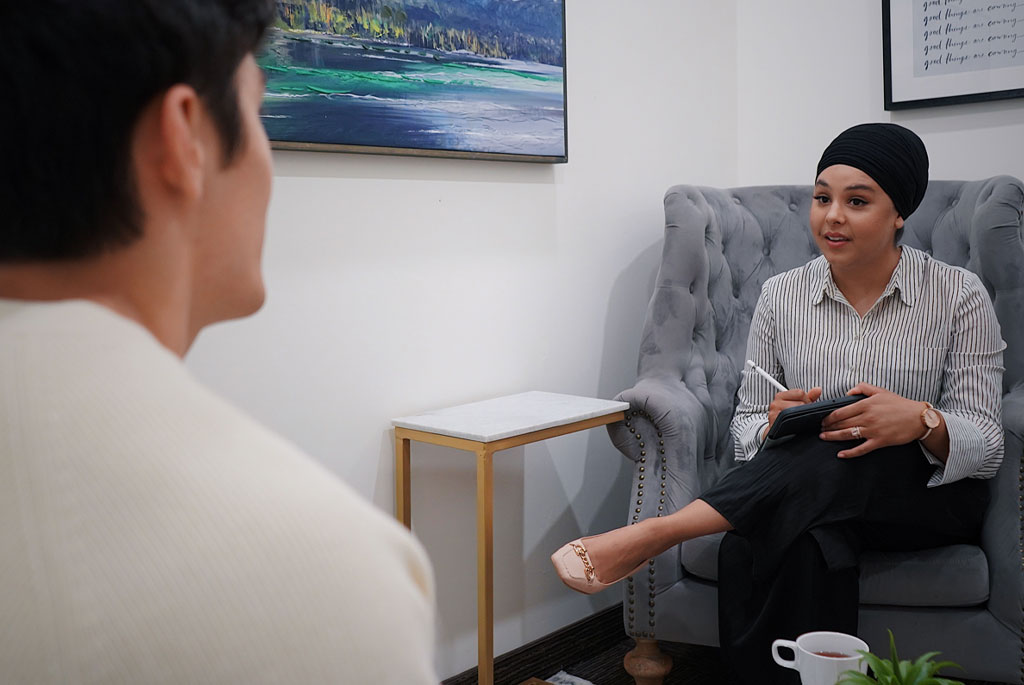
How Accelerated Resolution Therapy Works
ART blends proven therapy principles (including cognitive behavioral techniques) with guided eye movement methods. Key features include:
- Rapid eye movements to help process memories
- A focus on changing how distressing memories are stored and experienced
- The ability to work through trauma without recounting every detail out loud
Many people find ART to be an efficient way to reduce the intensity of distressing memories and emotional triggers.
What are Rapid Eye Movements (REM)?
Rapid eye movements (REM) are side‑to‑side eye movements that naturally occur during the REM stage of sleep. During this stage, your brain is very active and often processes memories, emotions, and experiences from the day.
In ART, your therapist guides you to move your eyes back and forth in a similar way while you are awake and focused on a specific memory or feeling. This is sometimes called “bilateral stimulation.”
How ART Uses REM‑Like Eye Movements
An ART session at Mosaic Wellness & Recovery will include the following:
- You focus on a memory or feeling.
Your therapist will ask you to briefly bring up an image, sensation, or situation that feels distressing. - You follow the therapist’s hand with your eyes.
Your therapist moves their hand back and forth in front of you, and you track it with your eyes, creating rapid left‑to‑right eye movements. - Your brain begins to “reprocess” the memory.
While you are doing these eye movements, your brain is encouraged to file the memory in a less emotionally charged way, loosen the connection between the memory and intense physical reactions (panic, shame, flashbacks, harsh self-judgment, etc.), and make room for new images and beliefs that feel safer and more accurate. - Distress goes down, even though the facts don’t change.
The event itself is not erased, you still know what happened, but the emotional “charge” around it can decrease significantly.

What REM‑Like Eye Movements Do in ART
In ART, REM‑style eye movements help to:
Reduce emotional intensity
Many people notice that the same memory feels “farther away” or less overwhelming after sets of eye movements.
Support new, healthier images
Once the distress is lowered, your therapist will help you replace upsetting images with neutral or positive ones (for example, seeing yourself safe, strong, or supported).
Change how the memory is stored
ART doesn’t ask you to forget what happened; instead, it helps your brain store the memory in a way that is less likely to trigger panic, nightmares, or urges to use substances.
Promote a sense of control
Throughout the process, you stay awake, aware, and in charge. You can choose which memories to work on and can stop or slow down at any time.

Benefits of Accelerated Resolution Therapy
ART offers several advantages for people seeking mental health and recovery support:
- Faster Symptom Relief
Many people notice improvement within a limited number of sessions. - Privacy & Control
You can process memories without sharing every detail. - Versatility
ART may help with trauma, anxiety, depression, substance use, and more. - Complementary Care
ART can be combined with other therapies as part of a comprehensive plan.
By addressing the emotional roots of distress, ART can support improved emotional regulation, reduced shame and self-criticism, healthier self-esteem, and relief from intrusive or triggering experiences.

Start Treatment & Therapy at Mosaic Wellness & Recovery
Exploring therapies like Accelerated Resolution Therapy (ART) may help you process distressing experiences and move forward with more stability and confidence.
At Mosaic Wellness & Recovery, therapies and treatments are grounded in compassion, clinical expertise, and personalized care. Our process for starting treatment includes:
- Complete a free, confidential assessment.
- Verify your insurance benefits.
- Schedule your admission date.
- Receive a warm welcome!
Our intake process is built to connect you with care as quickly and compassionately as possible.