
Anxiety Attack vs. Panic Attack: How to Tell the Difference
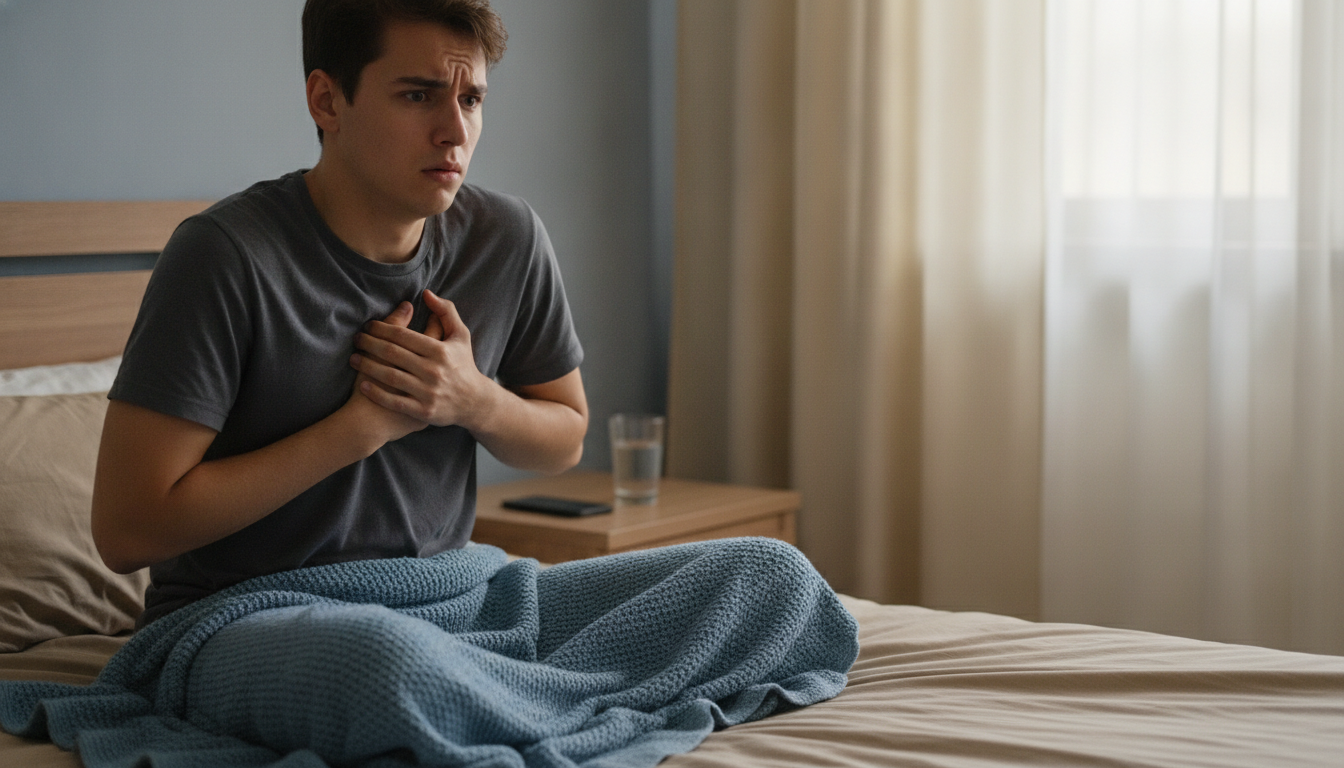
Your heart is pounding, your chest feels tight, and you cannot tell if this is a panic attack or an anxiety attack building against you. The clearest sign is speed: a panic attack surges to its worst point within about ten minutes, while an anxiety attack usually builds slowly over hours in response to a stressor. This guide walks through the anxiety attack vs panic attack difference in plain terms, covering symptoms, timing, and what actually helps in the moment.
Anxiety Attack vs Panic Attack: The Core Difference
A panic attack is a specific clinical term. It means a sudden wave of intense fear that reaches its peak within minutes and includes several physical or mental symptoms at once, based on the panic attack definition clinicians use. A racing heart, sweating, shaking, chest tightness, dizziness, and a fear of losing control or dying are common markers of that surge.
An anxiety attack is not an official diagnosis at all. People use it as an everyday term for a slower, stress linked buildup of worry, tension, and physical arousal that can last for hours instead of minutes. Think of it as the difference between a wave that crashes fast and a tide that keeps rising while you wait for it to turn.
The difference between anxiety and panic attack episodes matters because the right response depends on which one you are actually facing.
Panic Attack Symptoms: What a Surge Feels Like
Panic attack symptoms tend to arrive together and fast. A pounding heart, shortness of breath, chest discomfort, trembling, sweating, dizziness, nausea, tingling, sudden chills or heat, a sense that things are not real, and a fear of dying or losing control can all show up within the same short window.
Most attacks reach their worst point around the ten minute mark and start to ease within twenty minutes to an hour. What lingers after that, shakiness, exhaustion, worry about it happening again, is real distress. It is just not the same thing as the acute peak itself, and separating the two can keep you from thinking the whole ordeal lasted far longer than it did.
Anxiety Attack Symptoms: The Slow Build
Anxiety attack symptoms build more gradually and usually trace back to a clear stressor, a deadline, a conflict, a health worry, or money trouble. Tight shoulders, restlessness, irritability, stomach upset, poor concentration, and disrupted sleep can stack up over hours rather than hitting all at once.
The feeling is less like an alarm going off and more like pressure that keeps building the longer the stressor sticks around. You might notice repetitive worry, a racing mind that will not settle, or a low grade tension that colors an entire afternoon rather than one sharp burst of fear.
How to Tell if It’s a Panic Attack
Ask yourself three questions. Did this come on hard within minutes rather than build over hours? Are several physical symptoms hitting together, not just one? Did it peak fast and start easing within roughly twenty minutes? If most of your answers are yes, you are likely looking at a panic attack rather than a slower anxiety episode.
Here is something worth knowing if you tend to blame yourself for not catching warning signs sooner. One study using continuous physical monitoring found that people who reported unexpected panic attacks had autonomic and breathing changes beginning up to 47 minutes earlier, well before they consciously noticed anything wrong. That does not mean the attack was not sudden from your point of view. It means your body may start shifting before your mind catches up, and that is not a sign you missed something you should have caught.
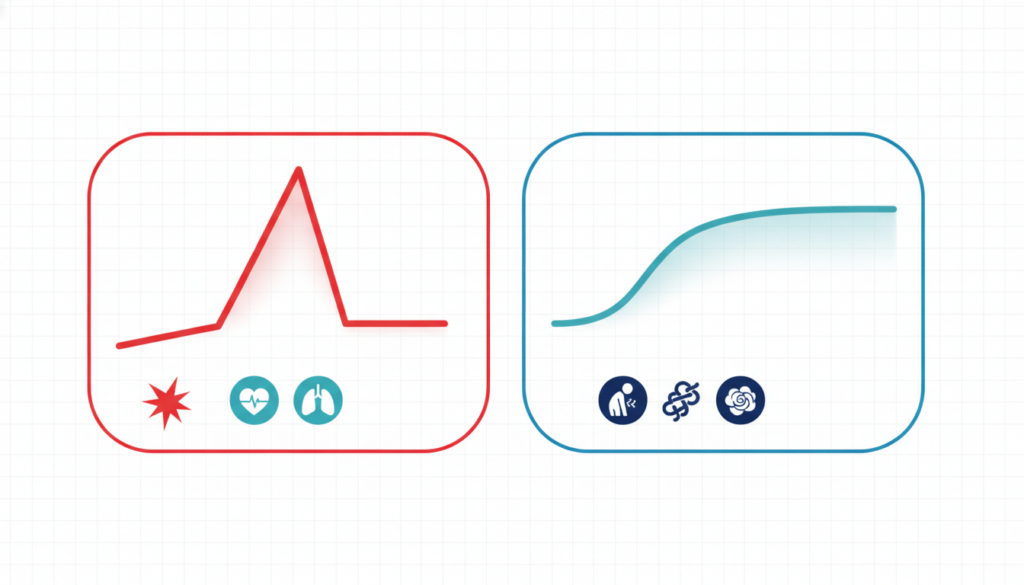
Anxiety Attack vs Panic Attack at a Glance
| Feature | Panic Attack | Anxiety Attack |
|---|---|---|
| Onset | Abrupt, often within minutes | Gradual, over hours |
| Peak | Reaches worst point quickly | Builds and fluctuates over time |
| Trigger | May be unexpected or tied to a feared situation | Usually linked to an identifiable stressor |
| Typical symptoms | Racing heart, breathlessness, dizziness, chest tightness, fear of dying | Muscle tension, restlessness, worry, fatigue, stomach upset |
| Formal status | Recognized clinical episode | Not a formal diagnosis |
| Immediate goal | Ride out the surge safely | Address the stressor and calm sustained arousal |
What Helps During a Panic Attack
If you are somewhere safe and this feels like your familiar pattern, resist the pull to run. Guidance from the NHS on panic recommends staying where you are if you can, slowing your breathing, and reminding yourself that the wave will pass rather than fleeing the moment symptoms start.
Panic almost always crests and drops on its own within minutes, so the goal is not to force it away through sheer effort. It is to get through it without adding a second layer of fear about the fear itself. Gentle, unforced breathing can support that, but it works best as a light touch rather than a strict ritual you feel you must perform perfectly or something terrible will happen.
What Helps During an Anxiety Attack
A slow building anxiety attack usually needs more than a few minutes of breathing. Since the cause is often an ongoing stressor, it helps to name the specific problem in one sentence, decide whether it is something you can act on now or just a worry with no real action attached, and then take one concrete step such as sending an email, making a call, or scheduling a time to deal with it later.
Eating something, drinking water, and getting rest also matter here, because a tired, depleted body tends to stay anxious longer. Grounding, noticing what you can see and hear around you, can pull your attention out of a worry loop, and cognitive behavioral guidance on managing anxious thoughts points to this kind of present moment focus as a way to interrupt rumination. Use it to return to your day, though, rather than as a way to avoid the day entirely.
When Breathing and Grounding Stop Helping
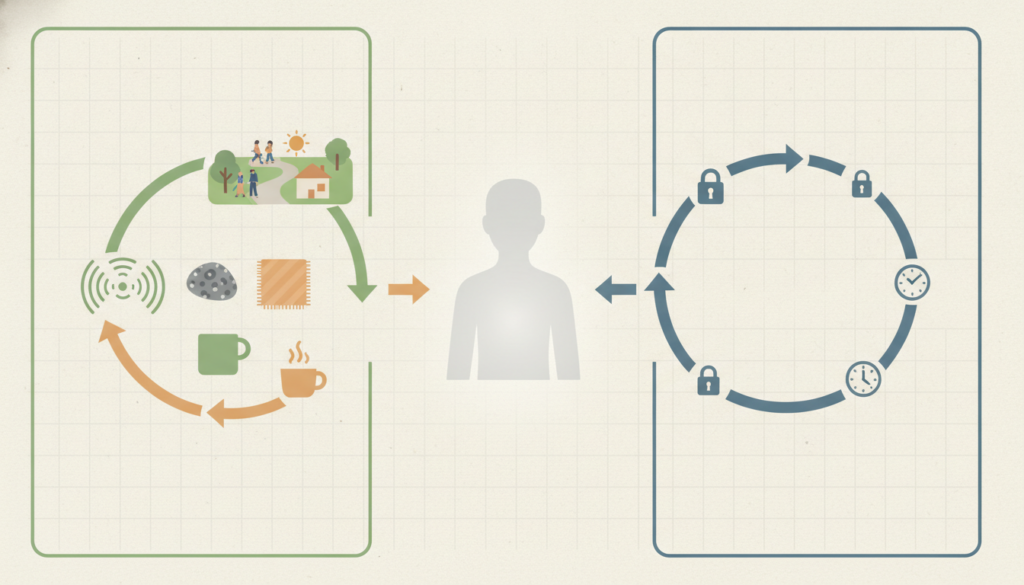
Breathing exercises and grounding are not automatically good or automatically bad. They become a problem when you turn them into a ritual meant to guarantee that panic never shows up, instead of using them as a flexible tool you can pick up or set down.
A major review of exposure therapy research found that these kinds of safety behaviors generally get in the way of learning that anxious sensations are tolerable, and it recommended fading them out gradually once a person feels ready.
That said, structured breathing programs do have real evidence behind them. In one large program, patients using a home based breathing feedback treatment saw their severity scores drop by just over half after 28 days. The difference is not the technique itself. It is whether you choose the tool because it helps you stay engaged with life, or whether you use it because you believe something terrible happens the instant you stop.
Research on exposure therapy also shows that feeling perfectly calm by the end of a coping exercise is not actually the best measure of progress. What tends to matter more is whether you learned that the predicted disaster never arrived, since that lesson carries forward into the next hard moment even if your anxiety stayed high the whole time you practiced.
Anxiety Attack vs Panic Attack: When to See a Doctor
Neither of these should be diagnosed by guesswork, especially the first time an episode happens. Chest pain, a racing heart, breathlessness, dizziness, and numbness can all come from panic, but they can also point to heart, lung, or neurological problems. Clinical emergency care guidelines recommend ruling out a physical cause before assuming anxiety explains everything, particularly when symptoms are new, severe, tied to exertion, or paired with fainting, confusion, or weakness on one side of the body.
If episodes keep repeating, if you find yourself avoiding more of your life just to prevent one, or if you are leaning on alcohol or other substances to get through the day, that pattern is a signal to talk with a professional rather than manage it alone.
Why Getting This Right Matters
Knowing whether you are in a panic attack or an anxiety attack changes what you do next. A short, sharp panic surge calls for staying put, breathing gently, and letting the wave pass without adding panic about the panic. A slow building anxiety episode calls for something different: naming the stressor, taking one small action, and giving your body the rest and food it needs to come back down. Mixing up the two can leave you fighting the wrong battle, whether that means white knuckling through hours of worry as if it will vanish in ten minutes, or bracing for a medical emergency that was actually a stress response that needed a plan, not a rescue.
Either way, you do not have to figure this out alone every single time it happens. If panic or anxiety attacks have started running your days, book a consult with our outpatient team so we can build a clear, personal plan around what you are actually experiencing.