
Do I Need Medication for Anxiety, or Will Therapy Help?

Wondering whether you need medication for anxiety or if therapy alone will help is one of the first questions people ask when anxiety starts affecting daily life. Both approaches work: individual CBT has the strongest evidence as a first step for social anxiety, while moderate to severe generalized anxiety responds about equally well to CBT or an SSRI. This guide explains how diagnosis, severity, and your own preferences should guide that choice.
Medication For Anxiety Or Therapy: How To Decide
Do I need medication for anxiety, or can therapy handle this on its own? That question rarely has one right answer, because the best starting point depends on which anxiety disorder you have, how severe it is, and what you can realistically commit to. Major clinical guidance treats therapy and medication as equally valid options rather than a strict order of operations. The WFSBP guidelines, built from over a thousand trials, name cognitive behavioral therapy and SSRIs or SNRIs as core treatments for generalized anxiety, panic disorder, and social anxiety, without ranking one above the other. The RANZCP guidance goes a step further and says the choice should reflect severity, past treatment response, access to care, cost, and what the patient actually wants.
What Your Diagnosis Changes
Anxiety is not one condition. Generalized anxiety disorder shows up as worry that spreads across many parts of life and is hard to switch off. Panic disorder centers on sudden attacks and a fear of the next one. Social anxiety disorder is about fearing judgment or embarrassment in front of others. Each pattern calls for a slightly different therapy focus, even though CBT is the umbrella term for all three. Someone with panic disorder often needs practice tolerating uncomfortable physical sensations, someone with generalized anxiety usually needs help tolerating uncertainty, and someone with social anxiety usually needs to face feared social situations directly rather than avoid them. That distinction matters as much as the therapy versus medication question itself, since the wrong therapy focus can leave a person going through the motions without touching what actually drives their anxiety.
How Severe Your Anxiety Symptoms Are
Severity is one of the biggest factors in anxiety treatment options, but it should be measured by more than a questionnaire score. Two people can report similar distress and need very different care. Someone who is anxious most days but still working, sleeping, and seeing friends may do well starting with therapy alone. Someone who has stopped driving, is missing work, or is drinking to fall asleep usually needs a plan that moves faster, which often means medication, therapy, or both from the start. Impairment, not just how uncomfortable the anxiety feels, is usually the better guide to how urgently treatment needs to move.
A Quick Way to Think About It
| Signs therapy alone may fit | Signs medication may help |
| Mild to moderate symptoms, still functioning | Moderate to severe symptoms with real impairment |
| You want skills that outlast treatment | You need faster relief to function day to day |
| You can attend sessions regularly | Therapy access is limited or has a long wait |
| No strong pull toward medication | You have had good results with medication before |
| Social anxiety with willingness to face feared situations | Panic or depression is severe enough to block therapy |
When Therapy Alone Can Be Enough
For social anxiety disorder in particular, therapy has a real edge. A social anxiety review covering 101 trials found that individual CBT produced the largest effects and was favored as the best starting treatment when people could access it. That makes sense once you understand what keeps social anxiety going: avoidance, safety behaviors, and predicting the worst about how others will react. Medication can turn down the volume on anxiety, but it does not automatically teach someone to walk into a room full of strangers or make the phone call they have been avoiding for months.
Therapy also tends to build skills that stick around after treatment ends. In a CBT clinical trial for generalized anxiety, patients completed 12 weekly sessions of structured therapy. Seventy percent were in remission right after treatment, and that number climbed to 84% at the one year mark, with continued improvement in worry and anxiety even after sessions ended. That pattern, gains that keep building after the therapy stops, is one of the clearest arguments for starting with therapy when someone can access it and is willing to practice between sessions rather than treat attendance alone as the cure.
When Medication For Anxiety Makes Sense
Medication earns its place when symptoms are severe enough to block someone from functioning, when therapy is not available or affordable, or when a person has already had good results with an SSRI or SNRI in the past. A GAD medication review found favorable results for escitalopram, duloxetine, and venlafaxine, though differences between most SSRIs and SNRIs tend to be small. That last point matters because it means no single pill is clearly the best choice for everyone. A person’s history with side effects, other health conditions, pregnancy plans, and cost often matter more than tiny average differences between drugs.
A separate antidepressant comparison study of 57 trials involving over 16,000 adults found no meaningful overall efficacy gap between SSRIs and SNRIs as a class, though SNRIs tended to show benefit a bit sooner while SSRI improvement built more steadily over 12 weeks. In practice, that means patience matters. Early side effects like nausea or restlessness often show up before any relief, and it can take four to six weeks at a full dose before you know whether a medication is actually working. Judging a medication after a few days, or expecting it to feel dramatic, sets most people up for disappointment even when the treatment is on track.

Panic, Social Anxiety, and GAD Need Different Plans
Panic disorder deserves a specific note. Starting medication can temporarily increase jitteriness or restlessness in the first week or two, which is exactly the sensation someone with panic disorder fears most. Starting at a lower dose and increasing slowly, alongside therapy that teaches the body those sensations are uncomfortable but not dangerous, tends to work better than medication alone. NICE recommends a stepped care model for panic disorder and generalized anxiety, moving from education and light support toward more intensive therapy or medication as symptoms and impairment increase, rather than jumping straight to the most intensive option for everyone regardless of need.
Social anxiety, as covered above, tends to favor therapy first when it is accessible and the person is willing to do exposure work. Generalized anxiety sits in the middle. Both therapy and medication have strong support, so the deciding factors usually come down to preference, access, and how much the worry is currently costing someone in sleep, work, and relationships. None of this is a rigid formula. A person with mild social anxiety who cannot get to weekly sessions might still start with medication, and a person with severe generalized anxiety who has strong access to a good therapist might do fine without medication at all.
Your Preferences Count as Real Data
Shared decision making is not just being polite. A shared decision review of studies on anxiety and depression care found it can improve how satisfied people feel with their treatment and how involved they feel in choosing it, even though its effect on symptom scores specifically is still being studied. In practice, a person who feels pressured into a treatment they did not want is less likely to stick with it, whether that means quietly stopping a medication because of side effects or skipping exposure homework because the plan never felt like their own. A good first appointment should ask what you have tried before, what worries you about medication, what worries you about therapy, and how fast you need to feel functional again, not simply hand you a prescription or a referral and move on.
Combining Therapy And Medication For Anxiety
Combining both is not just a backup plan for people who failed one treatment first. The WFSBP guidelines describe pairing medication with CBT or exposure therapy as a genuinely useful strategy on its own, especially when anxiety is severe enough to make therapy hard to engage with. Medication can lower the intensity enough that a person can actually do the exposure work therapy requires, while therapy builds skills that may support the person if they eventually reduce or stop medication down the road.
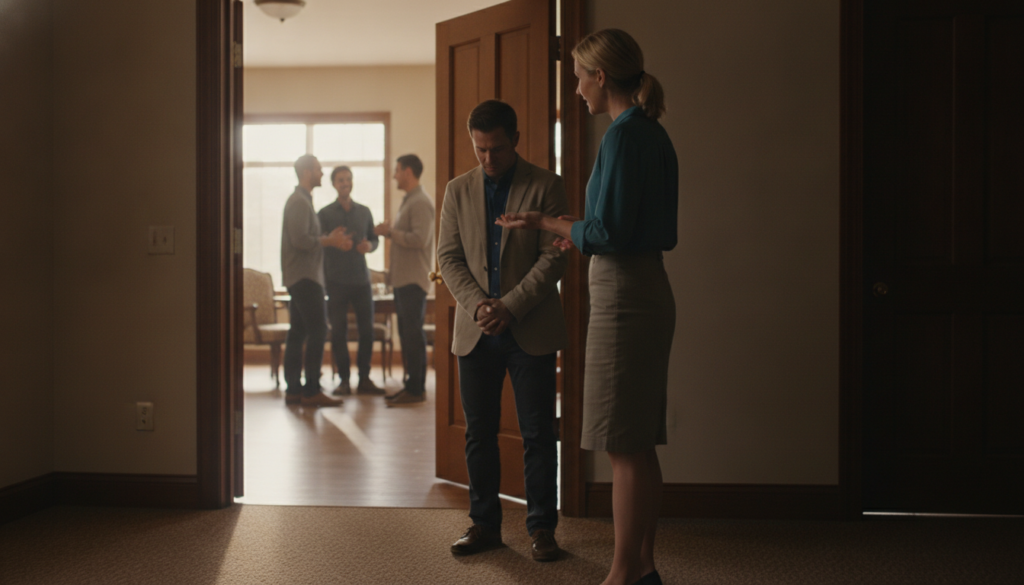
This does not mean everyone needs both. A person with mild symptoms and solid access to therapy may do perfectly well with CBT alone. Someone who strongly prefers to avoid medication, has no urgent safety concerns, and can attend sessions regularly has good reason to start there instead. The point is that combined care should be considered early when severity calls for it, not held back until one treatment on its own has already failed and months have passed.
What Recovery Really Looks Like Over Time
Whichever path you choose, expect gradual change rather than a switch flipping on. With medication, mild side effects often show up in the first one to two weeks, before any anxiety relief arrives. Small improvements, shorter worry spells, calmer sleep, fewer panic symptoms, often appear between weeks two and four. A fuller picture usually takes eight to twelve weeks, which is why staying at an adequate dose long enough matters more than switching medications too soon out of frustration.
With therapy, change tends to build across sessions rather than arrive all at once. The first few sessions are often about learning the pattern behind the anxiety, the middle sessions ask you to practice new behavior even when it feels uncomfortable, and the final stretch is about making those changes automatic. Homework between sessions, actually practicing the exposure or the thought work rather than just discussing it, tends to matter as much as the sessions themselves.
Stopping treatment too early carries its own risk. A relapse prevention research review covering 28 trials and over 5,000 people found relapse in 36.4% of those who stopped their medication compared with 16.4% of those who kept taking it, meaning roughly one relapse was prevented for every five people who stayed on treatment. That evidence supports continuing medication for at least a year after symptoms improve, though it does not tell us much about what happens after that point, so any decision to stop should be planned with a provider rather than done abruptly on your own.
Why This Decision Matters
Getting this choice right affects more than a symptom score on a form. It affects whether someone keeps a job, stays in a relationship, drives their kids to school, or spends another year avoiding things that matter to them. Both therapy and medication for anxiety can restore that kind of function, and for many people, some mix of the two works better than either alone. What matters most is not picking the option that sounds most impressive, but picking the plan you can actually follow through on, adjusting it with a clinician when it is not working, and giving it enough time to show its real effect before deciding it has failed.
If you are trying to figure out whether therapy, medication, or a combination fits your situation, talking it through with a clinician who knows your history is the fastest way to get clarity. Reach out to Mosaic Behavioral Health to explore outpatient mental health care built around what you actually need.