
Emotional Dysregulation in Borderline Personality Disorder

If your emotions swing from calm to devastated within minutes over something small, like an unanswered text, that shift is often emotional dysregulation, a core feature of borderline personality disorder. Dialectical behavior therapy, known as DBT, teaches skills like validation and distress tolerance that can shrink these emotional storms from hours to minutes. This guide covers what causes rapid mood shifts, the symptoms to watch for, and the tools that help you feel steadier. In short, BPD emotional dysregulation moves fast and ties closely to relationships, while a mood episode in bipolar disorder lasts days and tends to run its own course no matter what is happening around the person.
What Is BPD Emotional Dysregulation?
What is BPD, in plain terms? Borderline personality disorder is a mental health condition marked by a lasting pattern of instability in emotions, relationships, self image, and behavior. The American Psychiatric Association describes it as a pervasive pattern that shows up across most parts of a person’s life, not just during hard weeks.
Emotional dysregulation is the piece of BPD that draws the most attention, and for good reason. It means feelings can shift quickly and intensely, often set off by something relational, like a friend canceling plans or a partner seeming distant. The reaction is not weakness or drama. It reflects real differences in how the brain reads emotional threat.
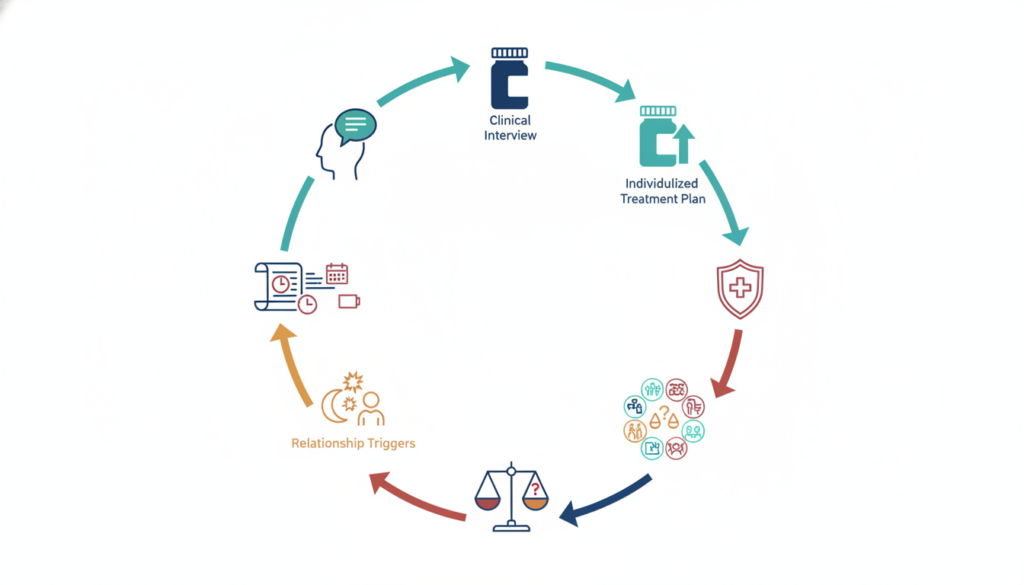
Getting this right also matters for diagnosis. One study found that among patients who had received a past bipolar diagnosis, more than half did not actually meet criteria for bipolar disorder once researchers used a structured interview, and BPD raised the odds of that earlier mislabel. The correct diagnosis changes the whole treatment plan, so this distinction is worth taking seriously rather than guessing based on a single hard day.
Common Borderline Personality Disorder Symptoms
Borderline personality disorder symptoms go beyond mood swings. They show a consistent pattern across relationships, self image, and behavior. Someone with BPD may notice several of these at once, and the pattern tends to stay present over months and years rather than appearing only during a crisis.
Common signs include:
- Strong fear of abandonment, even over small separations
- Relationships that swing between idealizing someone and feeling let down by them
- An unstable sense of identity, goals, or values
- Chronic feelings of emptiness
- Anger that feels hard to control once it starts
- Impulsive choices around spending, substances, or relationships
- Self harm or suicidal thoughts, especially during interpersonal pain
- Brief episodes of paranoia or feeling disconnected from yourself under stress
The Substance Abuse and Mental Health Services Administration notes that BPD affects how a person manages emotions and connects with others, and that symptoms can vary in intensity but usually persist across different settings. This is different from having a bad week at work or a rough breakup. The pattern is the point, not any single episode.
Why Emotional Dysregulation Feels So Fast
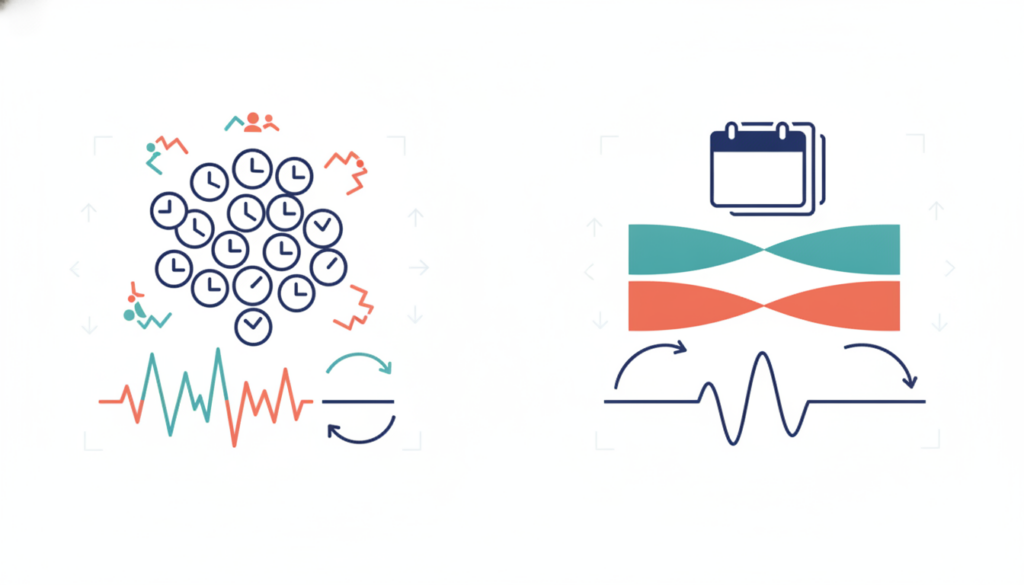
BPD emotional dysregulation is often tied tightly to relationships. A message left on read, a change in someone’s tone, or a canceled plan can trigger fear of rejection within minutes. The Menninger Clinic notes that this kind of crisis-driven presentation can look similar to a mood episode on the surface, but it moves differently underneath.
Here is the key difference. Emotional dysregulation in BPD usually rises and falls within minutes to hours, closely following what is happening between people. A person might feel panic and rage after a perceived slight, then feel noticeably calmer once a partner offers reassurance. Bipolar mood episodes work on a longer clock, often lasting days to weeks, and they tend to keep going even after the original stressor is resolved.
This speed and sensitivity are not signs that someone is being manipulative or overreacting on purpose. They reflect a nervous system that reads ambiguous social signals as bigger threats than they might be. A slow reply can feel, in the moment, like proof that a relationship is ending. That is painful and real, even when the underlying fear turns out to be inaccurate.
How DBT For BPD Helps You Regulate
DBT for BPD is considered a leading structured treatment because it targets the exact mechanisms driving dysregulation rather than only managing the fallout. It was built specifically around the idea that a person’s pain can make sense in context while unsafe behavior still needs limits.
The Core Skill Areas
DBT usually covers four skill sets:
- Mindfulness, which helps a person notice emotions without immediately acting on them
- Distress tolerance, for getting through intense moments without making things worse
- Emotion regulation, which builds longer term skills for lowering emotional intensity
- Interpersonal effectiveness, for asking for what you need and setting boundaries without losing the relationship
None of these skills erase the pain behind a reaction. They give a person more room between feeling something intense and doing something that causes harm. Over time, that extra room tends to shorten crises and reduce how often they spiral into self harm or suicidal thinking.
Validation Skills That Calm A Crisis
Validation is one of the most practical DBT tools, and it works for family members too, not just therapists. Validating an emotion means telling someone their feeling makes sense given the situation. It does not mean agreeing with every conclusion they draw or tolerating unsafe behavior.
A psychotherapy study following 52 clients found that sessions with more perceived validation led to lower negative affect afterward, while sessions with more perceived invalidation led to higher negative affect. This effect showed up most clearly for clients with stronger BPD features. Separate research on validation and aggression found that after a sad mood was triggered, validating responses led to less aggressive behavior than invalidating ones, particularly among people with real emotion regulation struggles.
In practice, validation plus a boundary sounds like this: “I understand that you feel scared and hurt right now. I am not going to keep talking while there is yelling, but I am not leaving either.” That combination tends to calm things down faster than either pure comfort or pure correction. Family focused programs that teach these validation techniques alongside communication and self care have shown promise for caregivers too. A 2024 trial of one such program found improvements trending in favor of the structured family program for caregiver burden, stress, and family functioning, even though the results did not reach statistical significance compared with active support as usual.
When Emotional Dysregulation Turns Urgent
Most emotional storms in BPD can be managed with grounding skills, validation, and a plan made in advance with a therapist. But some situations call for more than at home coping, and it helps to know the difference ahead of time rather than trying to figure it out mid crisis.
Reach out for urgent help when any of the following are present:
- Current thoughts of suicide with a specific plan and access to means
- A recent suicide attempt or a serious overdose
- Self harm that keeps getting more severe or more frequent
- Heavy intoxication, psychosis, or intense dissociation that affects judgment
- An inability or refusal to agree to basic safety steps
In the United States, the 988 Suicide & Crisis Lifeline recommends using the least restrictive option that can genuinely keep someone safe, while treating any signal of danger seriously rather than assuming it is just part of someone’s baseline. A BPD diagnosis should never lower the bar for taking a crisis seriously, and it should not automatically lead to unnecessary hospitalization either. The right response is a fresh look at what is happening right now.
Why This Matters
Emotional dysregulation in borderline personality disorder is intense, but it is not permanent or untreatable. Knowing the difference between a BPD flare and a longer mood episode helps you or a loved one get the right kind of support instead of the wrong medication or an incomplete diagnosis. Skills like validation and DBT based emotion regulation have real evidence behind them, and they tend to shrink crises over time rather than just papering over them.
None of this means the pain is small or that anyone should tough it out alone. It means there are specific, learnable tools that change how these moments unfold, and specific signs that tell you when a moment has moved from hard to dangerous. That knowledge alone can lower the fear that often makes dysregulation worse in the first place.
If emotional swings like this are making daily life feel unmanageable, you do not have to sort it out on your own. Reach out to our team at Mosaic Wellness & Recovery explore our outpatient mental health program and take the next step toward steadier days.